
Guide to implementing the Boxall Profile® Online in secondary schools
Guide to implementing the Boxall Profile® Online in secondary schools
At nurtureuk, we understand that creating a nurturing and inclusive environment is key to helping every student thrive.
True inclusion in a secondary setting goes beyond physical presence; it requires every student to feel they belong. As schools navigate the challenges of ‘The Big Move’ from Year 6 and the complexities of adolescent development, the Boxall Profile® Online acts as a bridge between pastoral care and academic success. By identifying the specific developmental milestones a student may have missed, staff can move from reactive discipline to proactive support. This guide demonstrates how to implement the profile across large cohorts efficiently, ensuring that no student becomes ‘invisible’ in a large school system.
Understanding the Boxall Profile® Online: A strategic evidence base
The Boxall Profile® Online is a comprehensive, evidence-based assessment tool that translates complex social and emotional needs into actionable data. For secondary leadership teams, it provides the “missing link” in demonstrating a graduated response to SEND and SEMH—moving beyond tracking behaviour incidents to evidencing proactive intervention.
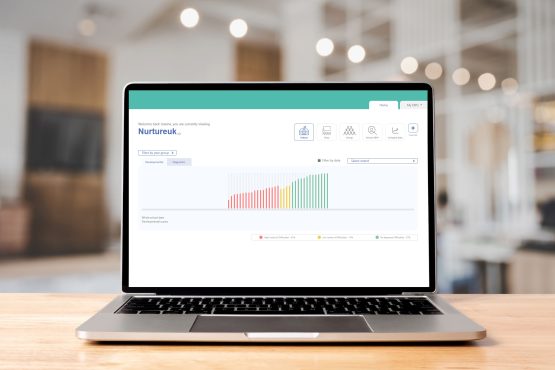
By using the Boxall Profile® Online, secondary schools can provide robust, longitudinal evidence for key inspection judgements:
- Behavior and Attitudes: Move from reactive “sanction-based” data to a diagnostic model. Show inspectors how you identify the root causes of disruption, internal exclusion, and persistent absence.
- Personal Development: Quantify how your school builds resilience, confidence, and independence. The profile provides a “distance travelled” metric for your most vulnerable cohorts.
- Leadership and Management: Demonstrate a strategic, data-informed approach to resource allocation and the effective use of Pupil Premium and High Needs funding.

Core Benefits for the Secondary Journey
- Evidence-led year 7 transitions: Don’t start from zero. Use the Transition Passport to capture primary school insights, ensuring a “warm handover” that maintains support from day one and prevents the “Year 7 dip” in engagement.
- Targeted mid-year integration: For students joining mid-term or from Alternative Provision, the profile provides an immediate “baseline” of their social and emotional maturity, allowing for faster, more successful integration into the mainstream classroom.
- Navigating adolescent complexity: As students face the unique pressures of Key Stage 3 and 4, the profile helps staff distinguish between “typical adolescent boundary-pushing” and deeper developmental gaps that require specialist intervention.

Best practices for implementation
To help you successfully implement the Boxall Profile® Online and maximise its positive impact, we’ve identified some key considerations. We’re here to guide you through each step, ensuring a smooth and effective implementation:
- Staff training: Equipping your staff with the knowledge and skills to use the tool effectively is essential. We offer comprehensive training resources to support your team.
- Data privacy: We understand the sensitive nature of student information. Robust data security is paramount. You can explore our comprehensive measures and GDPR compliance details here.
- System integration: The Boxall Profile® Online is designed to work with your existing school systems, minimising disruption and maximising efficiency.
- Ongoing support: We provide ongoing support to ensure you can confidently and effectively use the Boxall Profile® Online to support your students.

Assessment timing and collaboration
To ensure you gain the most accurate and valuable insights from the Boxall Profile® Online, consider the following:
- Year 7: For the most reliable insights, conduct assessments after the initial settling-in period (typically a few weeks into the autumn term) when typical behaviours are more evident. This allows students time to adjust to their new environment.
- Transfer pupils: When assessing students who join the school in other year groups, prioritize building rapport and observing their typical behaviour over a settling period before administering the profile. This leads to a more accurate understanding of their needs.
- Targeted initial assessment: It may be helpful to focus initially upon an identified cohort, before assessing pupils more widely across the school. This allows you to focus your initial efforts and resources effectively. Consider starting with students with:
- Socialisation concerns
- Disengagement
- Attendance concerns
- Suspension concerns
- Who are Looked After Children
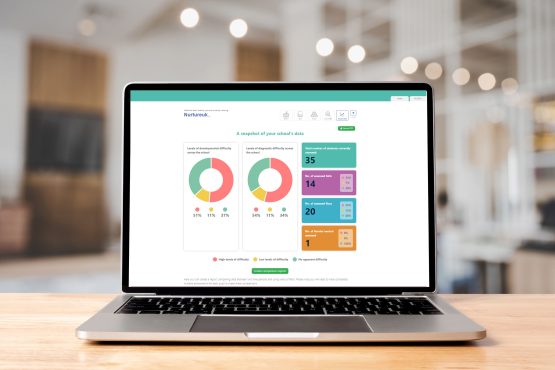
Working with existing systems
The Boxall Profile® Online is designed to integrate seamlessly into your secondary setting, acting as a productivity tool rather than an additional administrative burden.
-
Seamless data integration: Our easy-to-use bulk import function allows you to sync student data directly from your MIS (such as Arbor, SIMS, or Bromcom) in minutes, facilitating a smooth transition and ensuring your pupil lists are always up to date without manual entry.
-
Holistic progress tracking: To support a truly inclusive, whole-child approach, the platform allows you to integrate numeracy and literacy goals directly into individual learning plans.
-
Strategic evidence: This synthesis of SEMH and academic data provides a powerful evidence base for Ofsted inspections and EHCP reviews, demonstrating exactly how your targeted support is removing barriers to learning and driving student attainment.
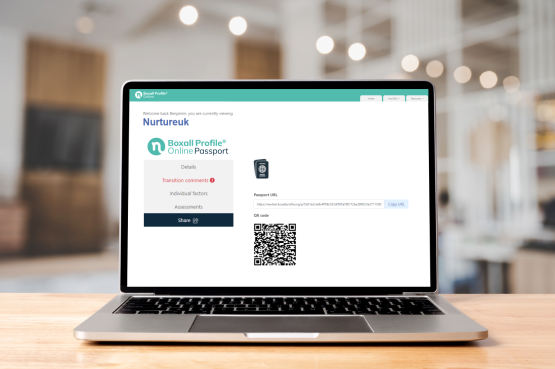
Supporting transitions
We recognise that transitions can be a particularly vulnerable time for students. The Boxall Profile® Online can play a key role in ensuring these transitions are as smooth and supportive as possible.
- Primary to secondary collaboration: During the transition from primary to secondary school, collaboration between feeder primary school staff and secondary school staff is crucial. Creating Boxall Profiles® together can ensure a smooth handover of pupil information and needs.
- The Transition Passport: The Boxall Profile® Online Transition Passport feature streamlines this process by enabling primary schools to create detailed transition documents that capture both assessment data and personalised observations. This valuable insight helps secondary school staff understand and respond to each child’s needs from day one, ensuring continuity of support throughout the transition period.
- Involving multiple staff: When new pupils are settled, involve multiple staff members who interact regularly with the pupil to gather a well-rounded view of their needs. This collaborative approach provides a more comprehensive understanding.

Strategic benefits for Secondary Schools
The Boxall Profile® Online transforms pastoral care from a reactive “fire-fighting” model into a proactive, data-driven strategy.
-
Precision inclusion & resource allocation: Move beyond generic “wellbeing” interventions. Pinpoint exact developmental gaps to ensure staff time, Pupil Premium, and SEND funding are directed where they will have the most significant impact on attendance and attainment.
-
Ofsted-ready evidence base: Generate instant, longitudinal reports that prove the impact of your school’s graduated response. This provides robust evidence for ‘Behaviour and Attitudes’ and ‘Personal Development’ judgements during inspection.
-
Strengthened Whole-School culture: Identify hidden SEMH trends across year groups or cohorts. By using a common language for social and emotional development, you foster a consistent sense of belonging and reduce the risk of internal exclusion and permanent exclusion.
See for yourself: Start your free trial
Integrating the Boxall Profile® Online into your school’s assessment routine can transform how you support pupil development at a crucial stage in their educational journey. By adopting this tool, UK secondary schools can ensure they are well-equipped to meet the challenges of supporting all pupils effectively, especially those transitioning into new educational environments.
Join thousands of professionals who are making a tangible difference in the lives of children, supporting the social, emotional, and mental health (SEMH) of all children and young people, to positively impact their learning, behaviour, attendance, and wellbeing.
Start your free trial now and unlock the potential in every child with the Boxall Profile® Online.
Frequently Asked Questions
We've compiled several frequently asked questions to help you understand how the Boxall Profile® Online can support your secondary school.
How can the Boxall Profile® Online help us identify and support the diverse social, emotional, and development needs of our secondary students, especially those with complex profiles or who are transitioning from primary school?
The Boxall Profile® Online provides a detailed assessment of individual students’ social, emotional, and developmental needs across key areas like self-regulation, relationships, self-esteem, and managing feelings. The platform allows for the creation of individual profiles, enabling you to identify specific strengths and areas for development. This is particularly valuable for understanding the varying needs within a secondary cohort and for creating effective transition plans from primary, as you can build upon existing knowledge and quickly identify students who may require additional support as they navigate the complexities of secondary school life. Tools like the Transition Passport ensure continuity of care by capturing key information and strategies as students move between settings.
Our secondary school has 1000+ of students and limited staff time. How user-friendly is the Boxall Profile® Online, and how can it integrate efficiently into our existing pastoral and support systems?
The Boxall Profile® Online is designed with efficiency in mind. The online platform offers an intuitive interface for data input, and it streamlines the process of generating insightful individual and group reports. These reports can be easily shared (securely) with relevant staff members, facilitating quicker identification of needs and the development of targeted interventions. While initial training is recommended (resources are available here), the long-term efficiency gains in assessment, planning, and progress monitoring can significantly reduce administrative burden on pastoral teams, freeing up valuable time for direct student support.
While there is a small initial time investment, the Boxall Profile® Online is a workload-reduction tool. By identifying the root causes of dysregulation early, you:
- Reduce reactive pastoral time spent on behavior referrals and exclusions.
- Automate “Distance Travelled” reporting for Ofsted, EHCP reviews, and SEND audits.
- Streamline the Graduated Response, providing teachers with pre-populated, evidence-based strategies that replace hours of manual lesson-differentiation planning.
How does the Boxall Profile® Online evidence impact for Ofsted and other stakeholders?
In a secondary setting, “wellbeing” can often feel intangible. The Boxall Profile® Online translates pastoral support into robust, longitudinal evidence, providing a data-informed narrative for inspectors, governors, and local authorities. By maintaining regular profiles, you create a clear “evidence trail” that demonstrates:
-
A proactive graduated response: Directly align with the SEND Code of Practice by proving that you are actively identifying hidden barriers to learning and moving beyond generic behavior management to precision-targeted intervention.
-
Measurable “distance travelled”: Use follow-up profiles to generate clear, visual progress reports. This allows you to quantify growth in personal and emotional development, critical for students whose progress may be non-linear in traditional academic subjects.
-
Alignment with inspection frameworks: The data maps directly to the “Behaviour and Attitudes” and “Personal Development” judgements. It showcases a school culture that uses diagnostic data to reduce exclusions and improve attendance, rather than relying solely on reactive sanctions.
-
Stakeholder accountability: Generate instant reports for EHCP reviews, governor meetings, and parent evenings. These reports provide a shared language to discuss a student’s holistic development, ensuring all stakeholders are aligned on the impact of implemented interventions.
What training and support resources are available for our secondary school staff to effectively implement and utilise the Boxall Profile® Online across different departments and roles?
While the platform is highly intuitive and simple to use, we offer a new range of specialist Boxall Profile® courses tailored for both school staff and senior leaders to ensure the tool is strategically embedded and maximises impact across your entire school.
Beyond these learning opportunities, our Boxall Profile® Online Help Centre is a rich source of resources for all staff. We encourage you to begin with the Getting Started guide and ensure key personnel explore these valuable resources for seamless and impactful integration across your school.